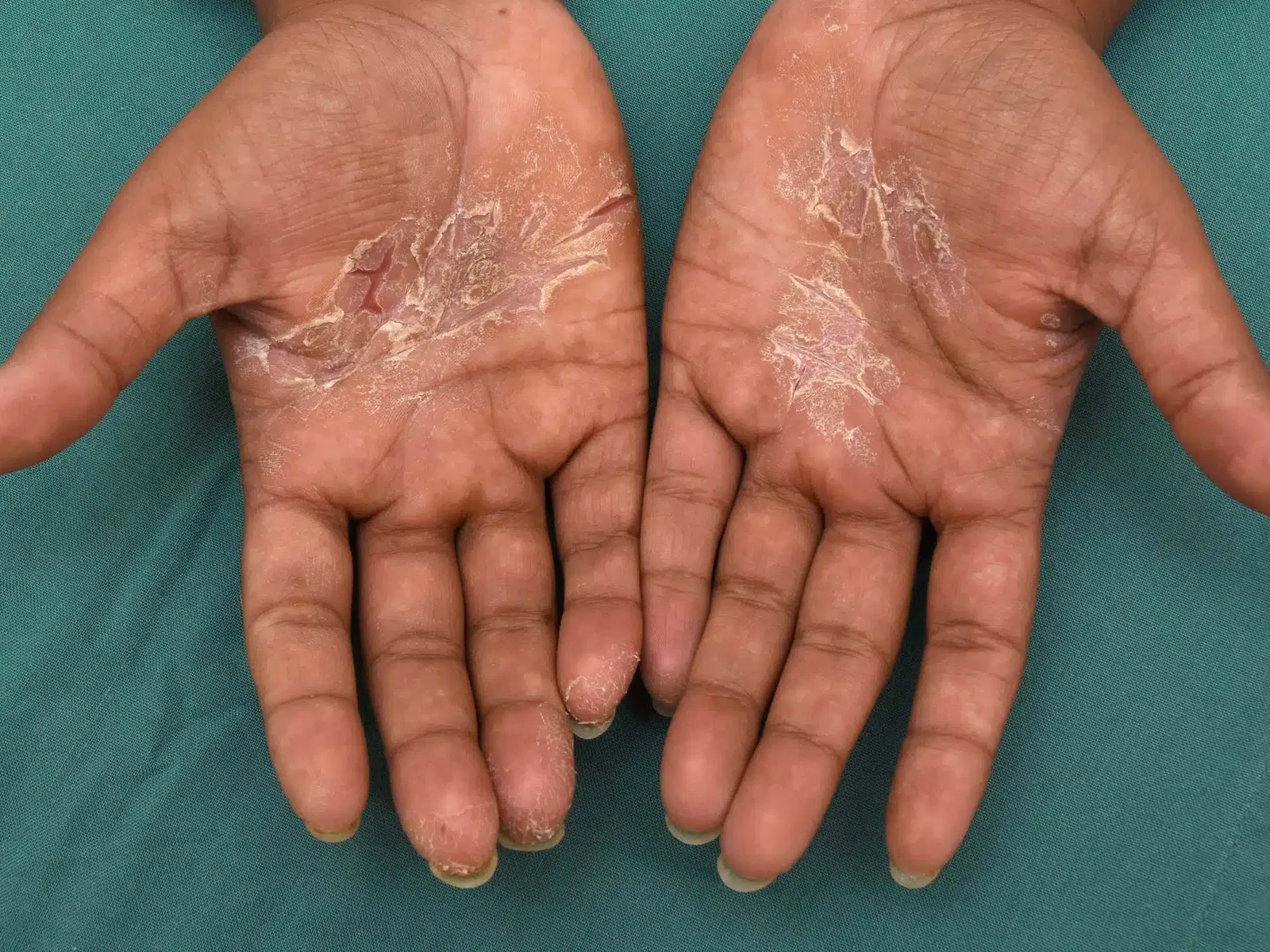
Hand dermatitis, or hand eczema, is a common but often painful skin condition that affects millions of people worldwide. The image above depicts a hand with peeling, inflamed, and irritated skin, a classic case of acute hand dermatitis. While some cases are moderate and transient, others can become chronic, causing ongoing discomfort, shame, and trouble doing daily duties. Understanding the causes, symptoms, and treatment choices is the first step toward successfully treating this condition.
What Causes Hand Dermatitis?
There is no single cause of hand dermatitis. Instead, it usually develops as a reaction to a combination of environmental, genetic, and lifestyle factors. The most common triggers include:
- Soaps, detergents, cleaning chemicals, and disinfectants can deplete the skin’s natural protective oils, making it prone to dryness and injury.
- Prolonged contact with water – Healthcare professionals, cleaners, hairdressers, and food service workers frequently wash their hands multiple times per day. Excessive washing degrades the skin’s barrier, making dermatitis more prevalent.
- Some people get allergic contact dermatitis after being exposed to nickel, latex, or specific perfumes in cosmetics and skincare items.
- Atopic eczema and psoriasis are risk factors for chronic hand dermatitis.
- Climate and surroundings – Cold, dry air can exacerbate symptoms, whilst humid conditions might prolong flare-ups.
Recognizing the Symptoms
The symptoms of hand dermatitis vary in severity, but they typically include:
- Redness and inflammation – The skin may appear swollen, irritated, and warm to the touch.
- Dryness and peeling – Flakes and scales often form as the outer layer of the skin breaks down.
- Cracks and sores – Deep fissures can develop, causing pain and sometimes bleeding.
- Itching and burning – Persistent itching can interfere with sleep and daily activities.
- Thickened skin – Chronic dermatitis may cause the skin to harden and become rough over time.
Without treatment, the condition can worsen, leading to secondary infections. Signs of infection include pus, swelling, and severe tenderness.
Treatment Options
Managing hand dermatitis requires a combination of medical treatment and lifestyle adjustments. Some of the most effective strategies include:
- Moisturizing on a regular basis – Throughout the day, apply thick, fragrance-free lotions or ointments to replenish hydration and build the skin barrier.
- To avoid irritants, wear protective gloves while cleaning, washing dishes, or handling chemicals. Cotton gloves used under rubber gloves can help minimize sweat buildup.
- Gentle handwashing is using moderate, soap-free cleansers rather than strong antibacterial soap. Always thoroughly dry your hands and apply moisturizer right away after washing.
- Topical medicines – Doctors may recommend corticosteroid creams or ointments to minimize inflammation. In severe situations, calcineurin inhibitors or other medications may be prescribed.
- For persistent, resistant instances, dermatologists may recommend light treatment or oral drugs to reduce symptoms.
When to Seek Medical Help
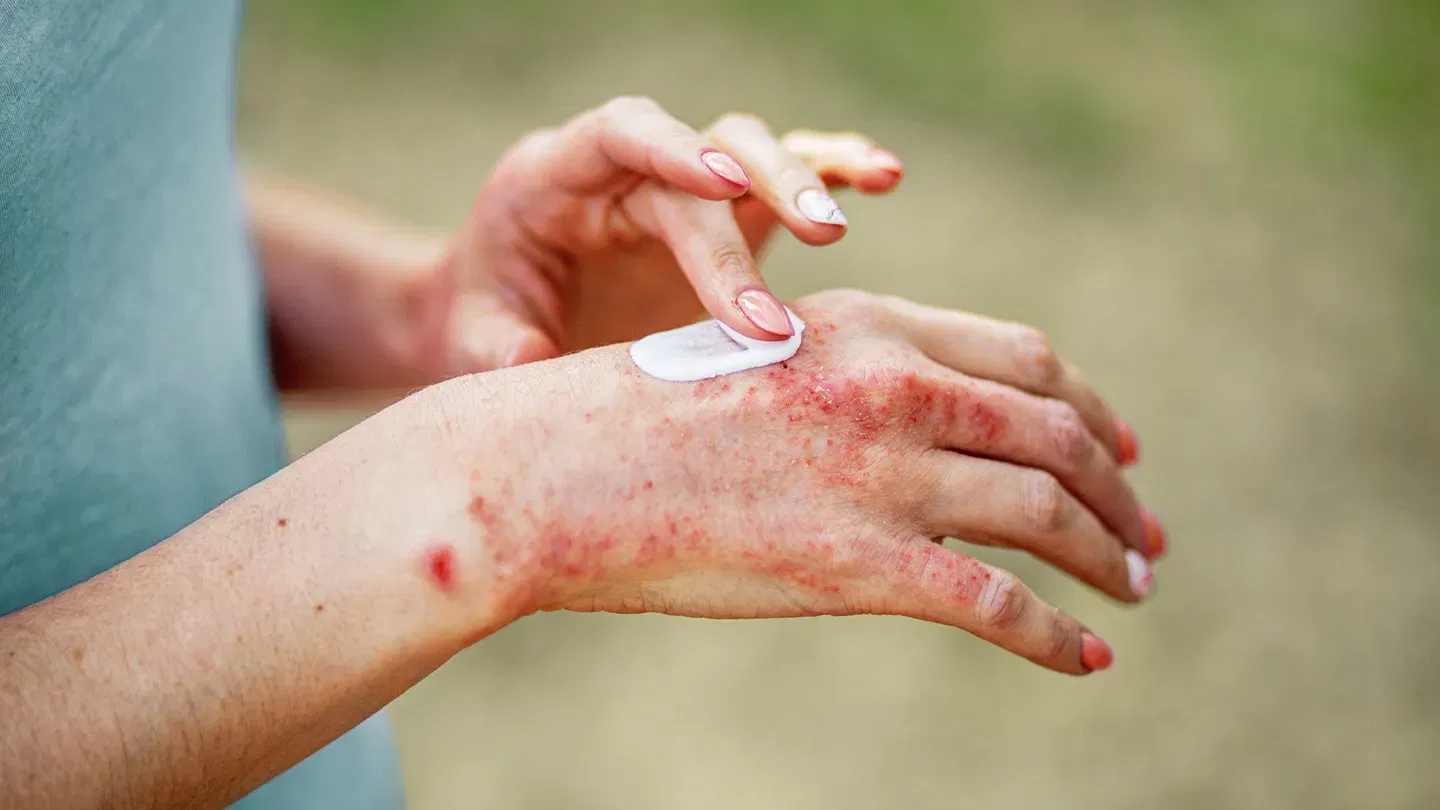
While mild cases can sometimes improve with self-care, professional treatment is necessary if:
- The condition interferes with daily activities.
- Pain, bleeding, or open sores develop.
- Over-the-counter creams fail to provide relief.
Signs of infection appear.
A dermatologist can perform patch testing to identify possible allergens and create a personalized treatment plan.
Final Thoughts
Hand dermatitis may appear to be a small skin disease, but it can have a big impact on your quality of life. It can make even routine chores like typing, cooking, and shaking hands quite uncomfortable. The good news is that with the right treatment, many patients may successfully manage flare