It was a quiet September day in 2024 when the unthinkable nearly happened once again: former President Donald Trump faced a second assassination attempt.
But this was not an isolated event—it reflects a long and troubling pattern in American political history. From the earliest days of the republic to today, the presidency has often been a magnet for violence, obsession, and conspiracy. What drives these attacks, and why do they continue to occur?

A Disturbing Pattern in U.S. History
On September 15, 2024, Trump narrowly survived a second assassination attempt—an incident that echoes a grim tradition in U.S. politics. He joins a long list of presidents and former presidents who have faced life-threatening attacks, highlighting the unique risks tied to holding the nation’s highest office. Of the 45 men who have served as president, roughly 40% have been targeted, and four—Abraham Lincoln, James A. Garfield, William McKinley, and John F. Kennedy—were tragically killed while in office.
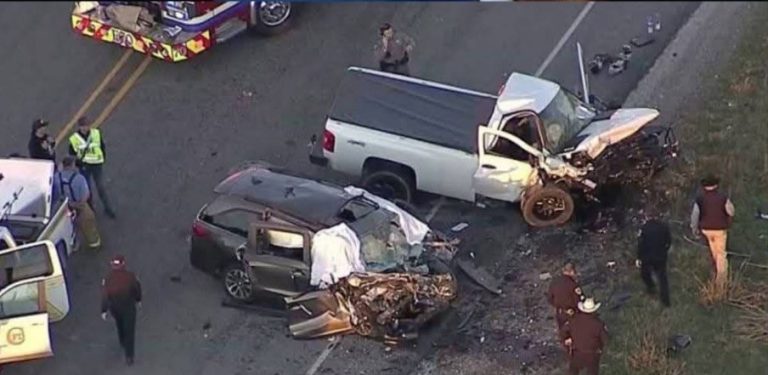
When the Presidency Becomes a Target
Presidents symbolize the nation’s ideals, values, and policies, which naturally makes them a focal point for both admiration and anger. For some, attacking the president is seen as a misguided form of protest or political expression.
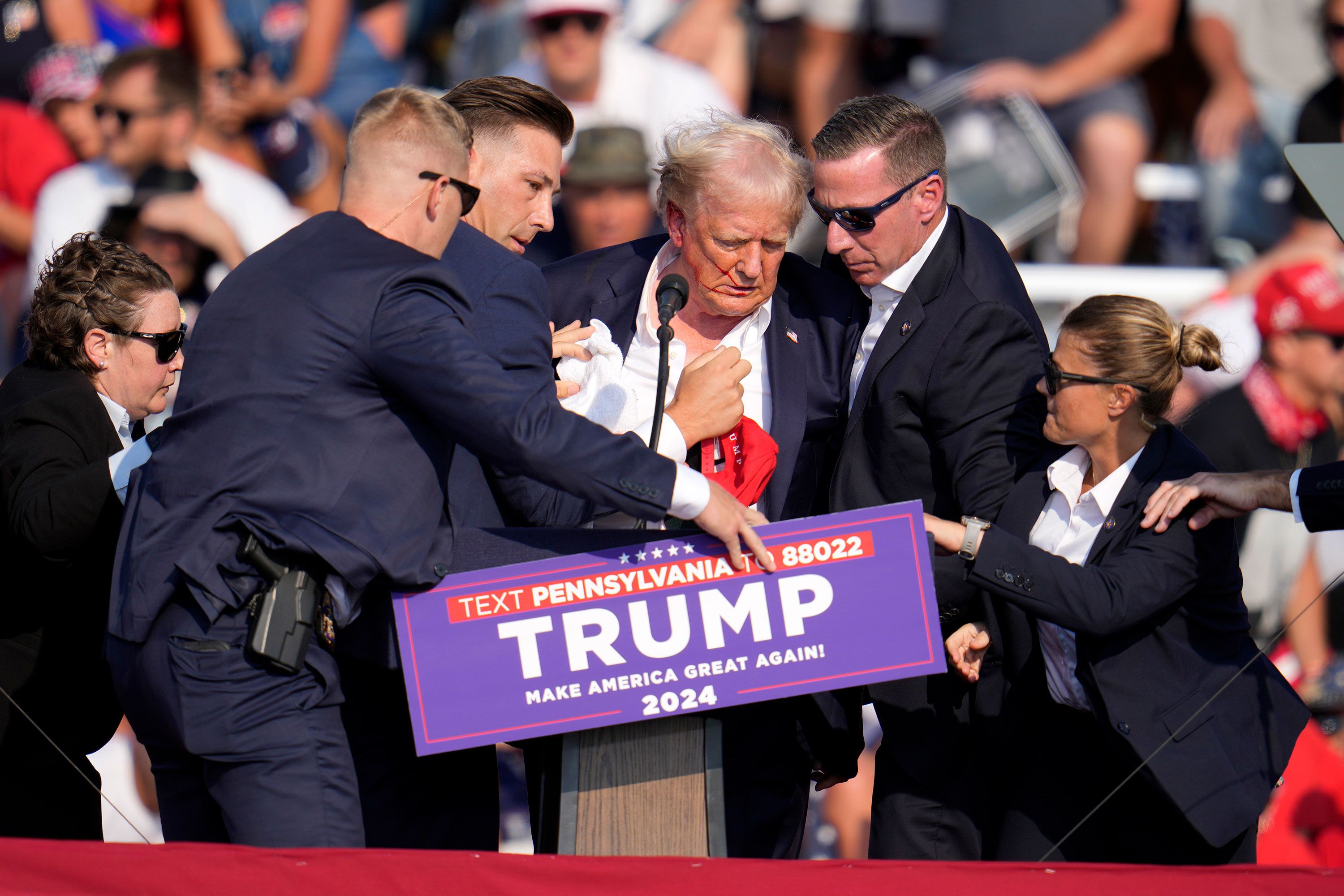
Recent events, including the thwarted attempt at Trump’s Florida golf course and the earlier shooting at a Pennsylvania rally, underscore the persistent danger faced by those in the Oval Office. Each attack serves as a stark reminder that political violence is a continuing threat in the United States.
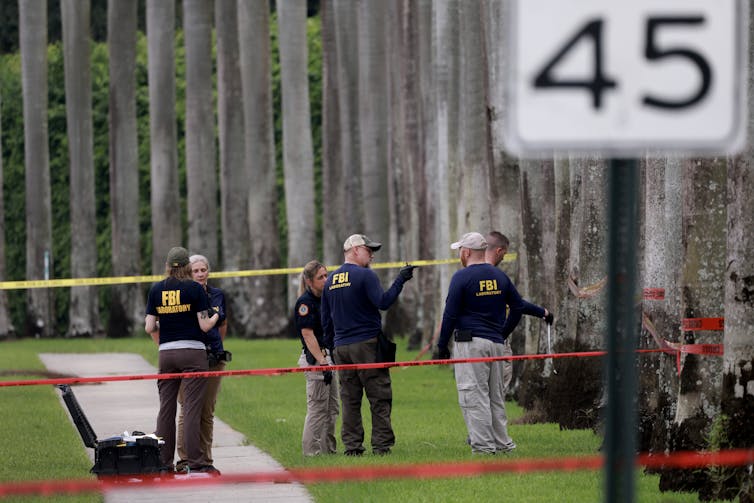
A Consistent Weapon: Firearms
Throughout American history, firearms have been the weapon of choice in nearly every known assassination attempt. Except for Gerald Ford’s two female assailants, nearly all attackers have been male.
Motivations have varied widely. From John Wilkes Booth to John Hinckley Jr., attacks have ranged from politically motivated actions to personal delusions. In Trump’s case, both assailants were reportedly former supporters turned disillusioned, reflecting a modern twist on historical trends.
Chaos and Lessons From History
President Lincoln’s assassination in 1865 was part of a broader conspiracy aimed at destabilizing the Union. Secretary of State William Seward was stabbed that same night but survived, and a conspirator failed to kill Vice President Andrew Johnson. The plot, though unsuccessful, highlighted the catastrophic potential of political violence—a lesson that resonates today.
Gerald Ford’s Narrow Escapes
In 1975, President Gerald Ford survived two assassination attempts in just weeks. The first, by Lynnette “Squeaky” Fromme, a former Manson Family member, involved an unchambered gun. Seventeen days later, Sara Jane Moore fired two shots in San Francisco; bystander Oliver Sipple intervened, deflecting a bullet and saving Ford’s life.
Ronald Reagan: Surviving With Humor
In 1981, Ronald Reagan was shot by John Hinckley Jr., who believed the assassination would impress actress Jodie Foster. The bullet pierced Reagan’s lung after ricocheting off a limousine. His resilience—and his humor during recovery—captured national admiration, demonstrating the human side of leadership under threat.
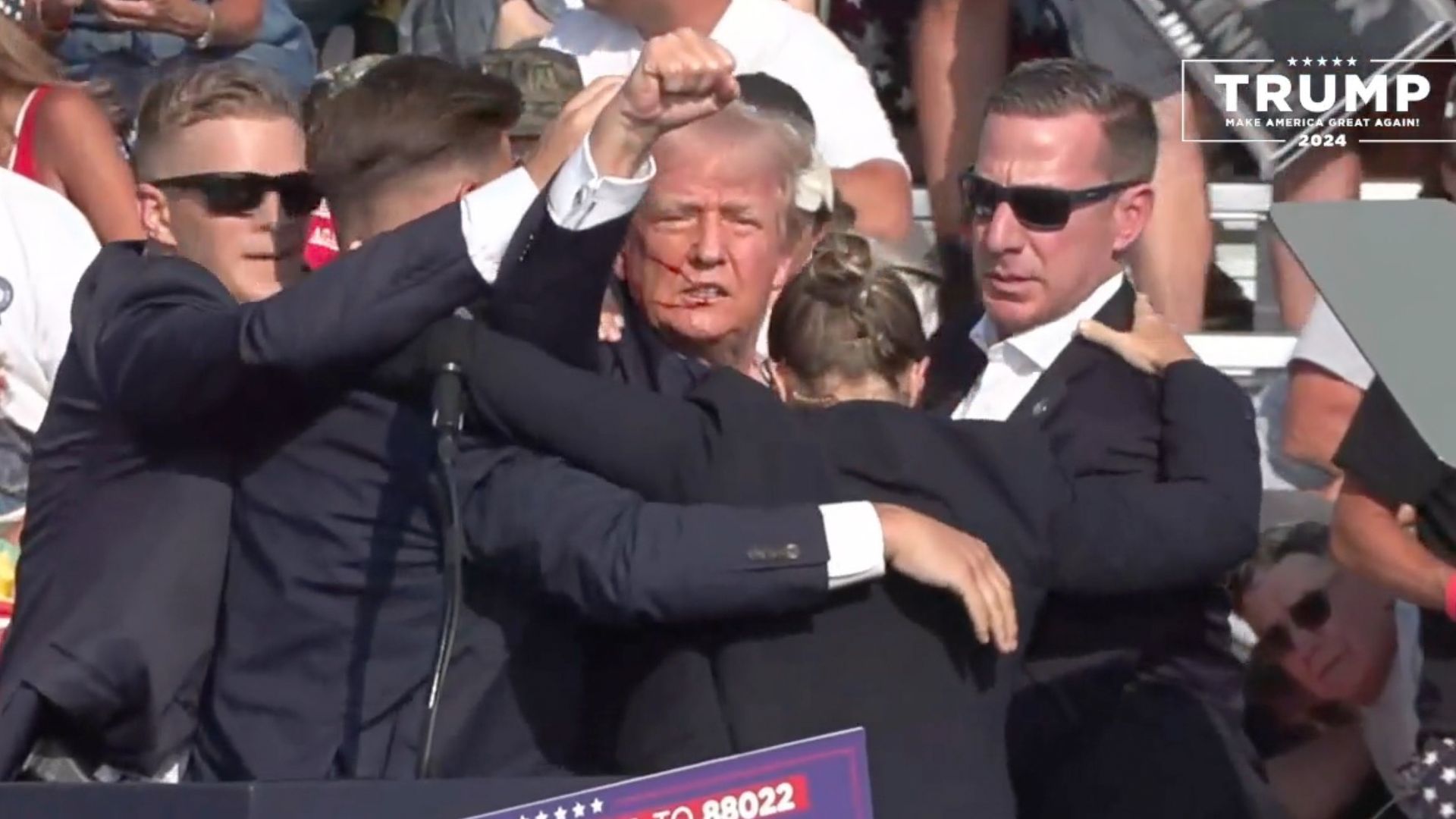
Modern Threats and Responses
In recent incidents, Trump’s Secret Service team acted swiftly at his Florida golf course, exchanging gunfire with an armed suspect. The earlier Pennsylvania rally shooting had already caused injuries. These events highlight how security challenges have evolved amid mass communication, ideological polarization, and widespread firearm access.
Presidential Risk That Endures
Assassination attempts are not relics of the past—they remain a real danger today. They reflect a complex mix of political unrest, personal grievance, and weapon accessibility. While motives may be hard to fully grasp, one fact is clear: American democracy is both resilient and vulnerable, requiring constant vigilance.
Conclusion: Resilience Amid Danger

Presidents, as symbols of national leadership, attract both devotion and hostility. Recent threats against Donald Trump illustrate that assassination attempts are a recurring feature of American politics.
Yet, in the wake of such events, the U.S. public, law enforcement, and institutions have consistently shown resilience. Moments of violence are often followed by acts of heroism, unity, and reflection—revealing both the fragility and the enduring strength of democracy.