Many households leave certain appliances plugged in all the time, assuming that if they’re not in use, they don’t consume electricity. Unfortunately, that’s a common misconception. In reality, leaving devices plugged in—even when turned off—still allows them to draw power in standby mode. Over time, this “phantom” energy use adds up, leading to higher electricity bills.
According to experienced electricians, the following four devices are the biggest culprits you should consider unplugging when not in use.
1. Television (TV)
Modern smart TVs are designed to stay connected to the internet, download updates, and keep settings ready for quick use. That means even when you press the “Off” button on the remote, the TV is still consuming electricity in standby mode.
By unplugging your TV when it’s not in use, you’ll not only save energy but also reduce unnecessary wear on the device.
2. Phone Charger
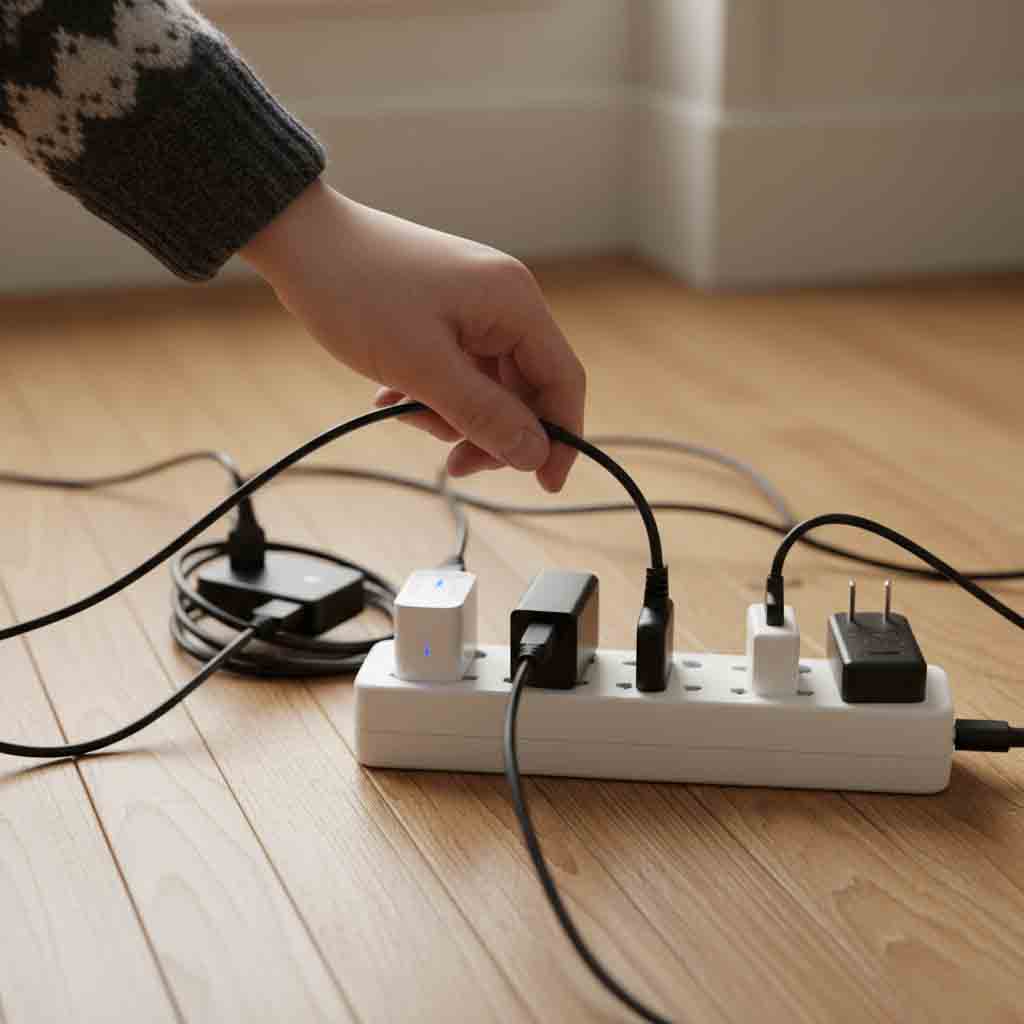
A charger continues to draw electricity as long as it’s plugged into the outlet, even if no phone is connected. While the amount may seem small, the cost adds up significantly over time.
Leaving a charger plugged in also poses safety risks. A live charger can cause electric shocks if touched, and when placed on flammable surfaces like pillows or blankets, it may even lead to fires. To save energy and avoid hazards, unplug your charger after each use.
3. Water Heater
Water heaters are designed to maintain water temperature continuously when powered on. While this ensures hot water is always available, it also means the device consumes electricity around the clock.
In warmer months, or when you don’t need hot water, keeping the heater plugged in wastes a considerable amount of energy. Unplugging it when not in use helps lower bills and extends the appliance’s lifespan.
4. Air Conditioner
Many people leave their air conditioners in standby mode for convenience, but even when not cooling, the unit continues to draw power to keep internal systems active. The indicator lights and memory functions require a constant flow of electricity.
If you won’t be using the air conditioner for a while—especially in cooler seasons—unplugging it prevents unnecessary energy consumption and gives the device a longer “rest” period, which helps prolong its life.
The Bottom Line
Unplugging devices when they’re not in use may seem like a small step, but it can make a big difference in both energy savings and safety. Start with these four appliances—your TV, phone charger, water heater, and air conditioner—and you’ll notice the benefits on your next electricity bill.