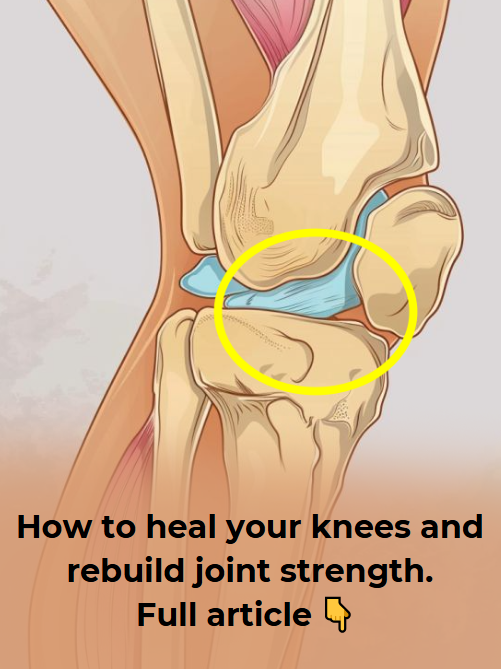
Knee pain and joint weakness can significantly impair mobility, having effects on your day-to-day activities and quality of life. It’s crucial
to have healthy knees for performing most movements, and therefore, joint care is essential not only for athletes or the aged, but also for everyone.
If you experience knee discomfort or wish to prevent potential joint problems, you should learn about effective healing and strengthening strategies. In this article, we will guide you through extensively researched methods that aid in healing and fortifying your knees, ensuring you can enjoy a physically active lifestyle without pain.
Step 1: Get to Know the Importance of Rest and Recovery
Letting your knees ample time rest is crucial, especially after an injury or during periods of severe pain. Rest helps reduce inflammation and prevents further damage.
Step 2: Engage in Low-Impact Exercises
Incorporate low-impact exercises like cycling, swimming, or walking into your routine. These activities help strengthen the muscles around your knees without exerting too much stress on the joints.
Step 3: Strengthen Supporting Muscles
Building strength in the muscles around your knees—the quadriceps, hamstrings, and calves— supports better and reduces the load on your knee joints. Exercises like hamstring curls, leg lifts, and calf raises are beneficial.
Step 4: Consider Physical Therapy
A licensed physical therapist can tailor an exercise routine specific to your needs which helps to heal and strengthen knee joints effectively.
Step 5: Maintain a Healthy Weight
Extra weight adds more pressure on your knees. Maintaining a healthy weight through a balanced diet and regular exercise can alleviate stress and improve overall joint health.
Step 6: Use Proper Footwear
Wearing shoes that provide good support and cushion can significantly cut down on pressure on your knees, helping in preventing pain and facilitating better alignment.
Step 7: Stay Hydrated and Consider Your Diet
Keep hydrated helps maintain the lubrication in your joints. Meanwhile, a diet rich in anti-inflammatory foods (such as omega-3 fatty acids found in fish and antioxidants in berries) can aid in reducing joint pain and inflammation.