Is it safe to eat eggs at night?
Yes, it is generally safe to eat eggs at night, as long as they are cooked properly and stored correctly.
Eggs are a rich source of high-quality protein. Each large egg contains approximately 6 grams of protein and all the essential amino acids the body needs.
Additionally, they are low in calories and rich in nutrients such as vitamin D, B12, and minerals like selenium.
This makes them an excellent food for those who want to maintain a balanced and nutritious diet.

Another advantage of eggs is their high choline content, an essential nutrient for brain health and cognitive function.
Recent studies suggest that choline may play a crucial role in brain development during pregnancy and breastfeeding, as well as in the brain health of adults in later life.
Eggs can be a healthy part of any meal, including dinner or a late-night snack.
However, there are a few things to keep in mind:
1. Digestibility
Some people may find that heavy, protein-rich foods like eggs can be harder to digest late at night, especially if they already have digestive issues. If you have a sensitive stomach, it might be a good idea to eat eggs earlier in the day, or to opt for a lighter preparation (e.g., scrambled vs. fried).
2. Sleep Impact
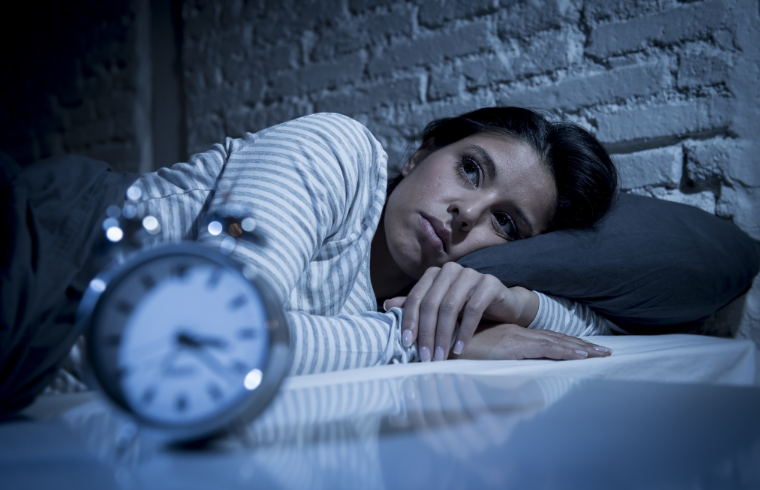
Eggs contain tryptophan, an amino acid that can promote the production of serotonin and melatonin—chemicals that help regulate sleep. So, eating eggs before bed could actually help you feel more relaxed and improve sleep quality for some people.
3. Storage and Freshness
Make sure the eggs are fresh and cooked properly. If they’re undercooked or improperly stored, there’s a risk of foodborne illness, like salmonella. Always refrigerate eggs and cook them fully to reduce any potential risks.

4. Portion Size
Eating large portions of any food right before bed could potentially make you feel uncomfortable, or disrupt your sleep, especially if it’s high in fat or protein. Moderation is key.
In short, eating eggs at night is fine for most people, but just consider how your body reacts to them and how they fit into your overall nighttime routine.