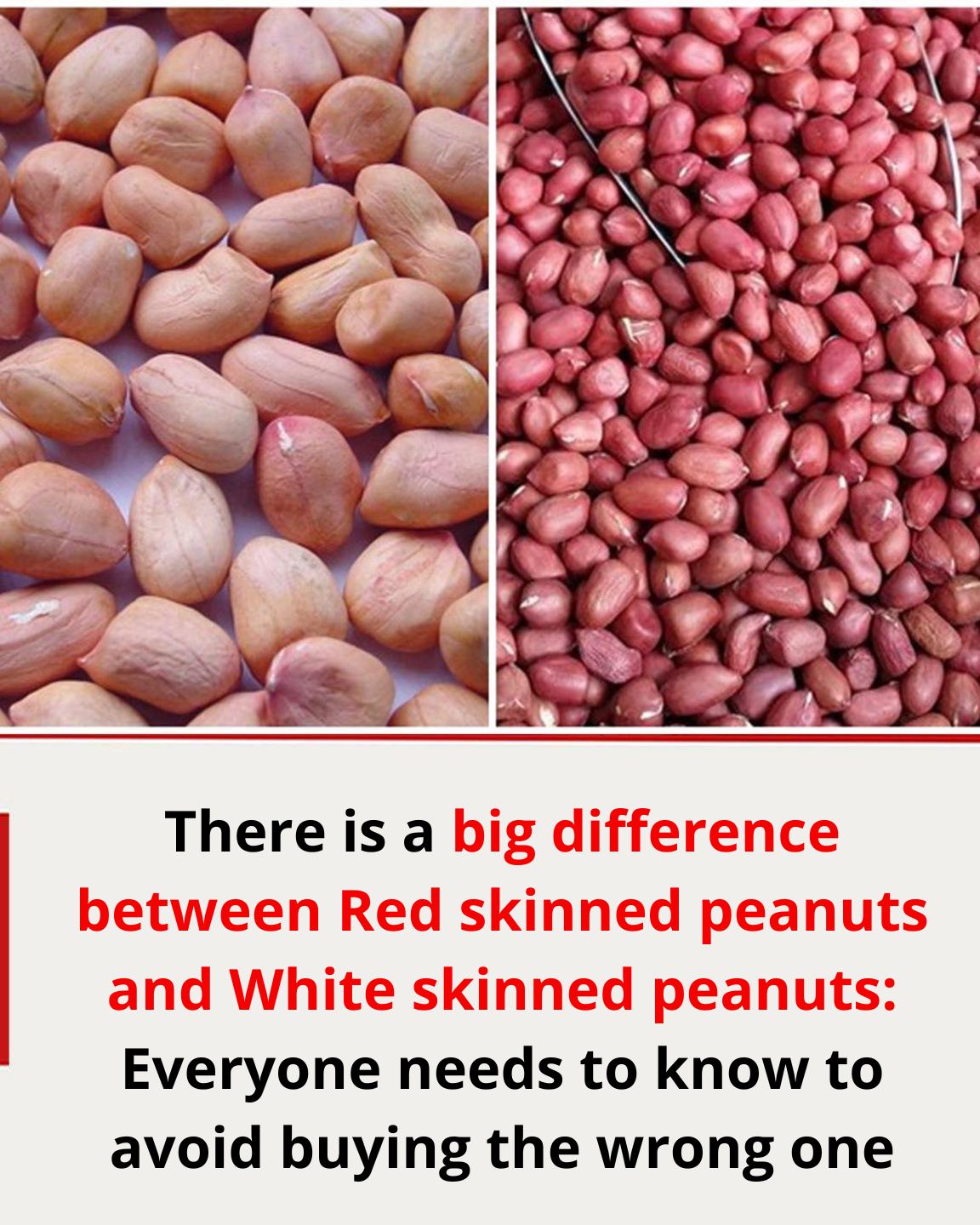
Peanuts, are rich in vitamins and nutrients, often hailed as a “longevity nut” that is highly beneficial for health. In traditional Chinese medicine, peanuts are praised for enriching blood, regulating digestion, and effectively stopping bleeding.
Today, red-skinned and white-skinned peanuts are the two most popular types. Many people believe that because they are both peanuts, they have the same taste and nutritional value, but in fact, they differ significantly.
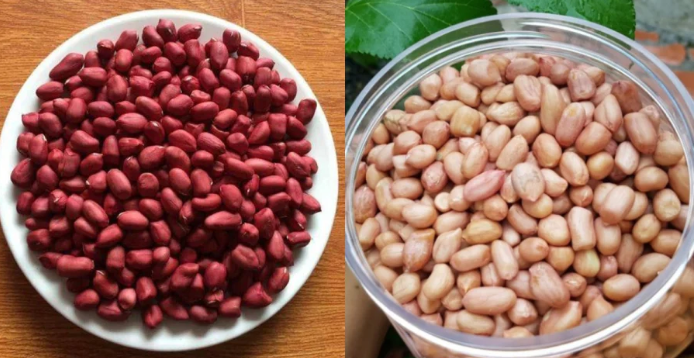
1. Flavor Differences
Red-skinned peanuts have a naturally sweet taste, especially when freshly harvested, making them ideal for soups, nut milk, etc. They are also known to enhance energy and enrich blood, making them suitable for raw consumption.
White-skinned peanuts, on the other hand, have a crunchy texture and are commonly used for frying or in various snacks. They have a higher oil content, making them a popular choice for peanut oil or peanut butter. In addition, white-skinned peanuts are lower in calories, making them suitable for those aiming to lose weight.
2. Nutritional Differences
Red-skinned peanuts are good for boosting blood and energy levels. Experts suggest not removing the skin, as it enhances digestive health and can alleviate bloating and discomfort.
However, white-skinned peanuts, contain more calcium, making them beneficial for the elderly and children. Additionally, they help the body absorb phospholipids, trace elements like selenium, and vitamin E, all of which support brain health and improve memory.
Because of their larger size and higher yield, white-skinned peanuts are often more affordable in the market.
Now that you understand the differences between these two types.
However, it’s more essential to know how to select high-quality peanuts.
Remember, size doesn’t guarantee quality, so keep these points in mind when buying:
Color: For both red and white-skinned peanuts, choose those with a bright, fresh shell color. Avoid peanuts with black or dark spots, as this indicates mold or contamination with Aspergillus flavus, a carcinogenic mold that affects flavor and safety.
Shell Tension: Dried mature peanuts should have firm, plump shells, while immature peanuts dry into a shriveled state with less nutritional value. Choose peanuts with taut, shiny shells for the best quality.
Scent: Take a handful and smell them. If you detect a moldy scent, avoid buying them no matter how cheap they are.
Peanut Sprout: Check the small white spot at the top of the peanut (the sprout). If this spot is missing, the peanuts might have been dyed, and it’s best to avoid these.