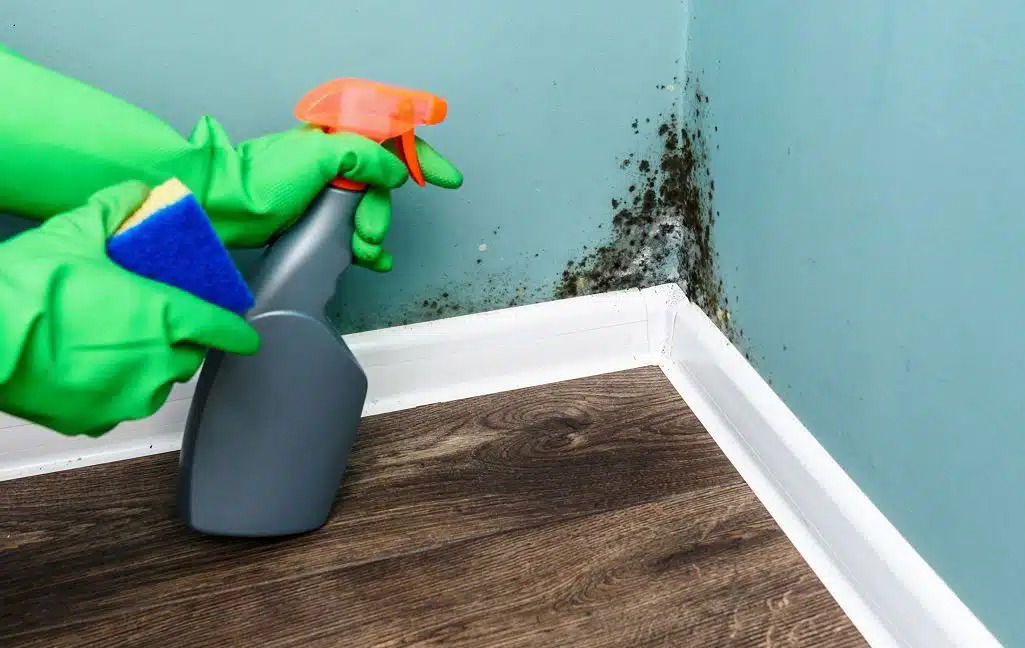
You might have noticed a small black spot forming in the corner of a wall. Initially, it could look like nothing more than a smudge or a speck of dirt. But over time, it spreads, darkens, and might even start giving off a musty odor.
What seems minor could be a signal of a deeper problem behind the walls. While it’s not a reason to panic, it’s certainly something you shouldn’t ignore. With the right steps, you can stop the damage from getting worse and restore your home to a healthier state.
What Causes These Black Spots? (Spoiler: It’s More Than Just Dirt)
Black stains on walls—especially in corners—aren’t usually about poor cleaning habits. The real culprit is often excess moisture.
In rooms with poor air circulation, such as bathrooms filled with steam, closed-up kitchens, or bedrooms that rarely get aired out, moisture in the air lingers. When it meets cold wall surfaces, it condenses—and that’s when mold begins to thrive.
Other common causes include external leaks, such as water from a broken gutter, a leaking roof, or rising moisture from the foundations. Additionally, poor insulation can create thermal bridges—cold areas where moisture gathers more easily.
Another thing people often overlook is furniture placement. When wardrobes or sofas sit directly against walls without any gap, air can’t circulate properly, allowing mold to grow silently behind them.
What To Do Right Away
If you see a dark patch forming, it’s best to act fast. The quicker you respond, the less likely the problem will spread.

Start by airing out the room thoroughly in the morning and evening—even during winter. Just ten minutes of fresh air can drastically reduce humidity levels.
Then move on to cleaning the mold. A mix of white vinegar and warm water can work well for surface stains. For more persistent spots, hydrogen peroxide can be effective. However, be cautious: don’t use vinegar on natural stone or marble, as it can cause damage.
Make sure to move furniture a few inches away from the walls to allow air circulation. This small change can make a big difference.
If the room still feels damp, consider using a moisture absorber or a small electric dehumidifier, especially in areas like laundry rooms or bathrooms.
Preventing Mold from Returning
Once you’ve cleaned the affected areas, the key is to stop it from happening again.
Make sure your home is properly ventilated. If necessary, install or improve ventilation systems like extractor fans in kitchens or bathrooms.
Keep track of humidity levels with a hygrometer—an inexpensive tool that helps you ensure your indoor air stays between 40% and 60% humidity.
Consider using anti-moisture paint on walls that are prone to dampness. While it’s not a complete fix, it adds a layer of protection.
If you suspect deeper issues like leaks or insulation problems, it’s wise to contact a professional. Sometimes what you see on the surface is just a symptom of a larger hidden issue.
What If the Stains Keep Coming Back?
If mold reappears despite your efforts, it’s time to dig deeper.
Inspect your roof, gutters, and walls. The root of the issue could be hidden leaks or faulty insulation. There are also specialized treatments for rising damp, including resin injections and anti-saltpeter solutions for walls showing white or crumbling spots.
Hiring a certified moisture expert can save you from bigger repairs later. If you’re renting, be sure to notify your landlord—mold can be a serious health concern and should be addressed quickly.
Conclusion
Black spots on your wall may seem small, but they can be signs of a larger moisture issue. By staying alert and taking quick action, you can control the situation and create a cleaner, healthier living space. A bit of awareness and maintenance can go a long way in keeping your home mold-free.